Deflock
University City, MO
Learn how Flock cameras pose a risk to you and our community, and why they should be removed from University City, MO.
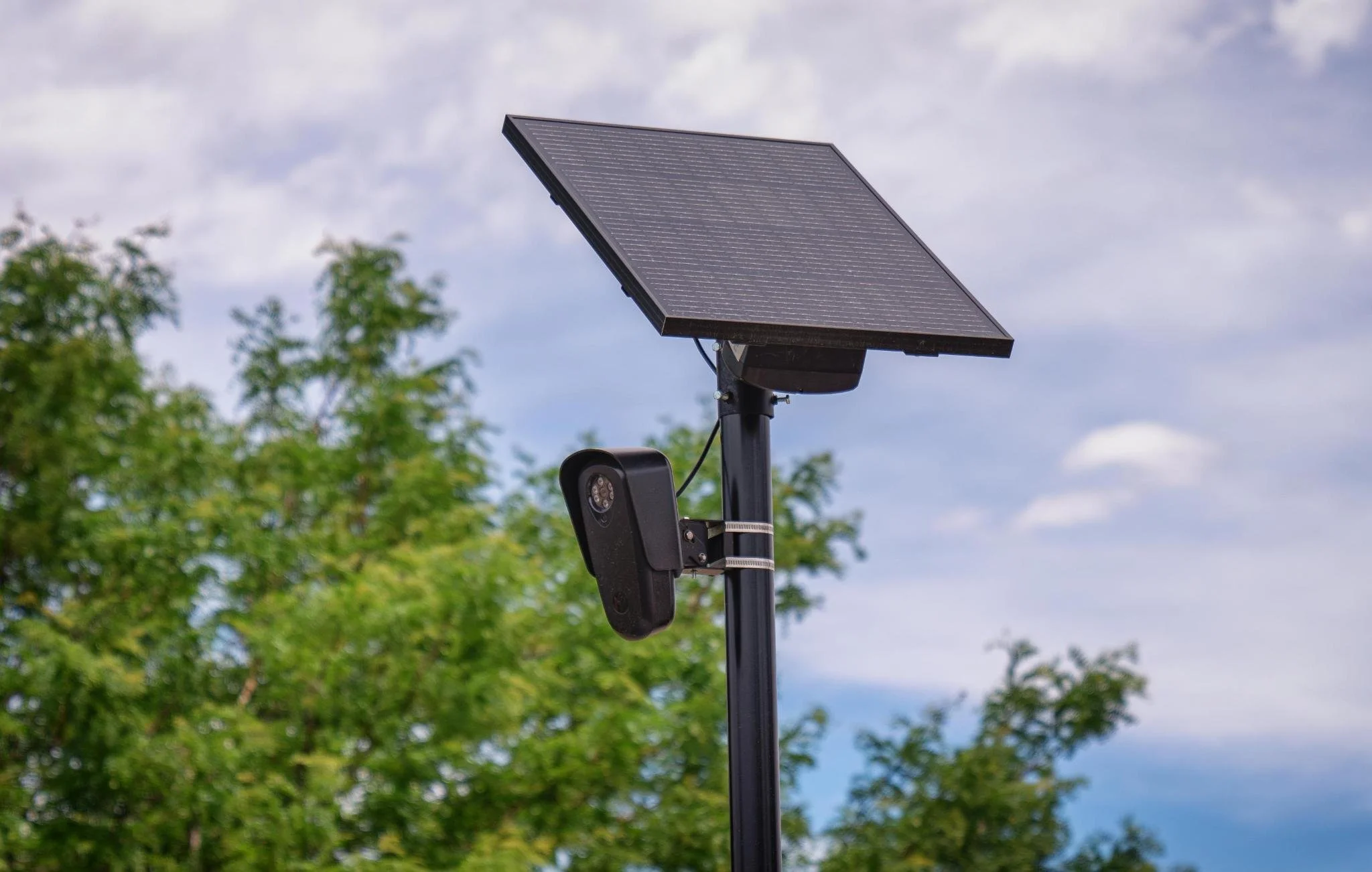
What Are Flock Cameras? Flock cameras may promise public safety, but in reality pose serious risks to you and everyone in our community, especially our immigrant neighbors who could be targeted by Immigration & Customs Enforcement (ICE).
These ALPR (Automatic License Plate Reader) cameras collect data on every vehicle that passes a Flock camera in U City, creating detailed location histories that can easily fall into the wrong hands.
Real-world examples of Flock risks include:
ICE using data to track and kidnap immigrant neighbors
Stalking of ex-girlfriends and wives
Cameras being used to spy on children at playgrounds and gyms
Constitutional violations of privacy
This network of surveillance creates a climate of fear that prevents neighbors from accessing essential services, isolates families, and makes our entire community less safe.
The risk of ICE accessing this data, along with the many other documented abuses and harms, means these cameras threaten the well-being of you and everyone who calls our community home.
Join your neighbors in telling City Council that U City deserves safety, not surveillance.
Flock cameras are an invasive surveillance system that collect massive amounts of data on you and your neighbors. They are not about public safety, and cause real harm in communities.
Frequently Asked Questions
-
Flock cameras are AI-powered automatic license plate readers (ALPRs) that capture and store photos of every license plate/vehicle passing by, along with GPS location and timestamp data.
They were installed in University City in the name of “public safety” but operate as 24/7 surveillance on all residents and come with some serious risks.
-
Flock cameras capture every license plate that passes by in U City, as well as other details of vehicles such as make, model, and defining characteristics like color, dents, and damage. Flock then uses this information to create detailed location histories that go into their database.
One of the dangers of mass surveillance lies in the patterns this data reveals about each person’s daily life: commute routes and work schedules, doctors' appointments, children's school drop-off and pickup times, religious services attended,and relationships revealed by who travels together.
The way Flock cameras collect data and share it across a national database raises serious questions about their risks to our Fourth Amendment right to privacy.
-
No. While Flock makes bold claims about their ability to reduce crime, experts have been quick to point out that it’s not that simple.
In fact, Flock cameras can make communities more dangerous by acting as stalking devices due to critical security flaws that allow unauthorized access to video footage, effectively creating a "Netflix for stalkers.”. Journalists have also demonstrated how easy it is to hack Flock’s cameras due to these security flaws in their system.
If University City is serious about making our community safer, we should move away from AI-powered cameras that can be abused by ICE and other malicious actors and instead invest in proven community-based safety programs that build trust and empower residents.
-
Flock cameras frequently flag the wrong vehicle and create dangerous sitations for community residents.
These systems have repeatedly misread license plates, leading to terrifying encounters with police:
Brandon Upchurch was attacked by a police dog and had his head rammed into the ground after a Flock camera misread a "7" as a "2" on his license plate, falsely accusing him of driving a stolen vehicle.
A Colorado family with a 6-year-old child was awarded $1.9 million after they were forced to lie face down on hot pavement at gunpoint when Flock cameras mistakenly flagged their car as stolen.
In February 2026, an Arkansas family was stopped at gunpoint after Flock misread their license plate number.
These aren't isolated incidents. They're part of a pattern where people are harmed by technological errors.
-
Every time a license plate is captured, it is automatically uploaded to Flock's cloud database, which can be accessed by other police departments outside of U City.
ICE has been able to access this data through partnerships with local law enforcement, allowing them to track residents' they wish to kidnap. Many neighboring communities––including Hillsdale, Breckenridge Hills, Woodson Terrace, and a growing list of others–– have signed agreements with ICE and also have access to Flock’s database, meaning that U City does not need to collaborate with ICE for them to gain access to this data.
-
Yes! Recently terminated contracts have included:
Dutchtown Community Improvement District, STL, MO - Terminated 8-camera contract over ICE data-sharing concerns
Evanston, IL - Shut down all 19 cameras after state audit found illegal data sharing
Austin, TX - Let contract expire after scanning 113 million plates, citing privacy concerns
Richmond, VA - Cut off data sharing after discovering unauthorized immigration searches
We wish for U City to be the next to terminate our contract with Flock, so we can keep our city safe rather than surveilled.
-
There are a few places you can start!
First – Sign our petition to join the community-driven movement to remove Flock cameras from University City.
Second – contact your U City city council member using the template below to say you do not want Flock cameras in our community.
“My name is [Your Name], and I live at [your address]. I am writing to voice my opposition to University City Police Department’s contract with Flock Safety. While this is sold as a tool for public safety, it is actually a warrantless mass-surveillance dragnet. It logs the 'Vehicle Fingerprint' of law-abiding citizens, creates a searchable map of our private lives, and shares that data with a national network of thousands of agencies. We shouldn't have to trade our Fourth Amendment rights for a subscription-based camera system. I am asking the City Council to cancel the contract with Flock Safety immediately.”
The full story on Flock Cameras
Christophe of Tunnel Vision takes a deep dive on Flock cameras, how they’ve spread so quickly across the country, and what they mean for you and your safety.
Tell City Council we want Safety, not Surveillance
If you are ready to take action, sign the petition below and add your name to the growing list of neighbors who are telling U City Council “We want safety, not surveillance in our community!”